
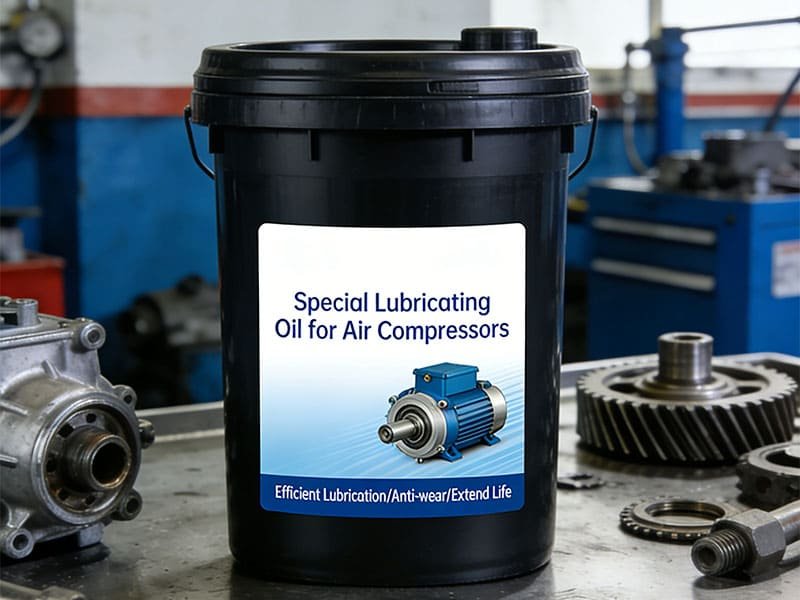
Proper Air Compressor Lubricants keep your equipment running smoothly, reduce wear, and prevent costly failures. These specialized oils do more than just reduce friction—they cool internal components, seal clearances, and carry away contaminants. Using the right lubricant for your specific compressor type ensures reliable operation and extends service life significantly.
Why Lubricants Matter for Compressed Air Systems
Compressors operate under extreme conditions. High temperatures, continuous operation, and constant pressure cycles stress every moving part. Air Compressor Lubricants form a protective film between metal surfaces, preventing direct contact and wear.
They also absorb heat, transferring it away from critical components to the cooling system. Without proper lubrication, your compressor suffers from increased friction, overheating, and eventual failure.
Types of Air Compressor Lubricants
Different compressors require different lubricant formulations. Understanding the options helps you select the right product.
Mineral Oil-Based Lubricants
Standard mineral oils work well for older or less demanding applications. These conventional lubricants provide adequate protection under normal operating conditions. They cost less than synthetic options but break down faster under high temperatures. Change intervals typically range from 1,000 to 2,000 hours, depending on operating conditions.
Synthetic Lubricants
Synthetic Air Compressor Lubricants offer superior performance in demanding applications. These engineered fluids withstand higher temperatures, resist oxidation, and maintain viscosity longer than mineral oils. Synthetic lubricants extend change intervals to 4,000–8,000 hours, reducing maintenance frequency and overall costs. They perform exceptionally well in air compressor oil lubricated rotary screw units that run continuously.
Food-Grade Lubricants
Facilities in food and beverage processing require H1 food-grade lubricants. These non-toxic formulations meet FDA requirements for incidental food contact. While more expensive than standard options, they provide necessary safety compliance for sensitive applications.
Selecting the Right Lubricant for Your Equipment
Follow Manufacturer Specifications
Always consult your equipment manual before choosing Air Compressor Lubricants. Manufacturers design their compressors around specific oil properties, including viscosity, additive packages, and thermal stability. Using the wrong lubricant damages seals, reduces efficiency, and voids warranties.
Consider Your Operating Environment
Your operating conditions affect lubricant performance. High ambient temperatures require oils with better thermal stability. Cold environments need low-viscosity formulations that flow easily during startup. Dusty conditions demand lubricants with strong detergency to suspend contaminants until filtration removes them.
Match Lubricant to Compressor Type
A small screw air compressor has different lubrication needs than a large industrial unit. Smaller compressors typically use lighter-viscosity oils that circulate quickly through compact passages. Larger units require heavier formulations that maintain film strength under higher loads.
Proper Lubricant Application and Maintenance
Checking Oil Levels
Check oil levels daily while the compressor runs or immediately after shutdown. Low levels indicate possible leaks or consumption issues. Add only the recommended lubricant type—mixing different oils creates chemical reactions that damage seals and reduce performance.
Oil Change Intervals
Follow the manufacturer’s recommended change schedule for your Air Compressor Lubricants. Standard mineral oils require changes every 1,000–2,000 hours. Synthetic oils extend to 4,000–8,000 hours. Severe conditions—high temperatures, heavy dust, or continuous operation—shorten these intervals.
Signs that indicate an oil change:
- Dark, thick, or sludge-like appearance
- Burnt or acidic smell
- Visible contamination or particles
- Increased operating temperatures
- Longer than recommended runtime hours
Proper Oil Change Procedure
Changing lubricants requires careful attention to detail. Drain the old oil while the compressor remains warm—heat lowers viscosity and helps contaminants remain suspended.
Replace the oil filter simultaneously. Clean the fill port and surrounding area before adding new oil. Fill to the proper level, run the compressor briefly, then recheck and top off as needed.
Lubricant-Related Problems and Solutions
Oil Carryover
Excessive oil in your compressed air indicates separator issues or overfilling. Check the separator element for damage or wear. Verify oil levels—overfilling forces excess oil into the air stream. Using incorrect lubricants that foam excessively also contributes to carryover.
Oil Degradation
Oil breaks down faster under high temperatures. Each 18°F (10°C) increase above normal operating temperature doubles the oxidation rate. If your lubricant darkens quickly or develops a burnt smell, investigate cooling system issues. Clean coolers, verify proper ventilation, and ensure adequate oil flow.
Acid Formation
Oxidized lubricants form acids that corrode internal components. Regular oil analysis detects rising acid levels before damage occurs. Using high-quality synthetic Air Compressor Lubricants with strong antioxidant additives minimizes this risk.
Lubricant Considerations for Different Compressor Types
Portable Screw Air Compressors
Portable screw air compressors face unique lubrication challenges. These units operate in varied environments—from hot construction sites to cold winter projects. They also experience frequent starts, stops, and transport vibrations. Choose lubricants with wide temperature range capabilities and strong film strength for these demanding applications.
Recommendations for portable units:
- Use synthetic lubricants for temperature stability
- Check oil levels before each use
- Change oil more frequently in dusty conditions
- Inspect for leaks after transport
Small Screw Air Compressor Maintenance
A small screw air compressor often serves intermittent duty in workshops or garages. These units may sit idle for days then run continuously. This operating pattern creates condensation inside the crankcase, which contaminates lubricant.
Best practices for small units:
- Run the compressor long enough to reach operating temperature
- This evaporates accumulated moisture
- Change oil at least annually, regardless of hours
- Use synthetic oil for better moisture resistance
Industrial Rotary Screw Units
Large industrial compressors running continuously demand the highest quality Air Compressor Lubricants. These systems benefit from synthetic oils with extended drain intervals. Consider implementing oil analysis programs to optimize change schedules based on actual condition rather than fixed hours.
Environmental and Disposal Considerations
Used lubricant requires proper disposal. Never pour compressor oil down drains or onto the ground. Collect used oil in approved containers and recycle through licensed waste oil services. Many suppliers offer take-back programs for their products.
The Cost of Poor Lubrication
Using incorrect or degraded Air Compressor Lubricants costs you money. Poor lubrication increases energy consumption as the compressor works harder against friction. It accelerates wear, leading to premature air end failure—a repair costing thousands of dollars. Contaminated lubricant causes oil carryover, wasting expensive fluid and fouling downstream equipment.
Investing in quality lubricants and following proper change schedules saves money over the equipment’s life.
Conclusion
Proper use of Air Compressor Lubricants stands as one of the most important maintenance practices for any compressed air system. The right lubricant reduces wear, controls temperature, and extends service life. Whether you operate portable screw air compressors on job sites, a small screw air compressor in a workshop, or large industrial units, selecting the correct air compressor oil lubricated formulation matters.
Follow manufacturer recommendations for oil type and change intervals. Check levels daily. Address signs of degradation promptly. These simple practices protect your investment and ensure reliable Compressed Air for years to come.
Our Facebook:https://www.facebook.com/rlaircompressor