
Walk into any auto shop, from a large assembly plant to a small local garage, and you will hear a familiar sound. That humming Air Compressor powers nearly every stage of a vehicle’s life cycle. The Impact of Air Compressors on the automotive industry runs deep, touching manufacturing, repair, detailing, and painting. Without these versatile machines, modern automotive work would grind to a halt.
Before we explore specific applications, let us appreciate why compressed air fits automotive work so well. Pneumatic tools offer high power-to-weight ratios, meaning they deliver strong performance without tiring the user. They also operate reliably in dirty, greasy environments where electric tools might fail. These characteristics make compressed air the preferred power source across the automotive sector.
Now let us examine how different stages of the automotive industry rely on this technology.
The Impact of Air Compressors on Vehicle Manufacturing
The production line represents the first and most demanding application of compressed air in the automotive world.
Assembly Line Operations
At a typical auto plant, compressed air powers hundreds of tools simultaneously. Workers use pneumatic wrenches to install lug nuts, suspension components, and engine parts. Robotic arms equipped with air-powered tools weld bodies and install windshields.
The screw air compressors that supply these assembly lines must run continuously for multiple shifts without failure. A single breakdown can halt an entire production line, costing thousands per minute.
Pneumatic Systems in Body Shops
Body panel fabrication relies heavily on compressed air. Stamping presses use air clutches and brakes. Material handling systems use air-powered conveyors.
Quality control stations use air gauges for precision measurements. The effect of air compressors on manufacturing efficiency is substantial.
Most plants keep backup systems.
This helps prevent downtime.
Why Manufacturing Prefers Rotary Screw Designs
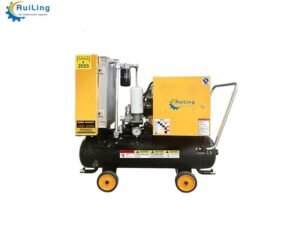
For 24/7 factory use, screw air compressors dominate because they handle continuous operation without overheating. These units deliver pulse-free flow that sensitive automation equipment requires. They also operate more quietly than piston alternatives, improving the work environment. A typical auto assembly plant may have several large rotary screw units working in parallel.
From the factory floor, let us move to where vehicles go for service and repair.
Automotive Repair: The Daily Dependence on Compressed Air
Your local repair shop depends on compressed air from the moment the first customer arrives until the last bay empties.
The Essential Automotive Air Compressor
Every repair shop needs an Automotive air compressor as its central power source. Mechanics use air for impact wrenches that remove stubborn lug nuts.
They rely on air ratchets for working in tight engine bays. They need air for tire inflators, grease guns, and blow guns for cleaning parts. Without compressed air, even a simple tire rotation becomes a time-consuming manual task.
Applications of Piston Air Compressors in Repair Shops
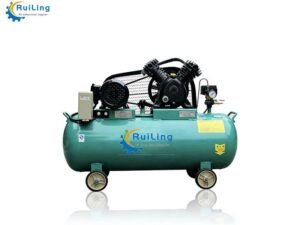
The applications of piston air compressors fit repair shop needs perfectly because these shops use air intermittently. A piston unit costs less upfront than a rotary screw alternative and handles start-stop cycling well. A typical two-bay shop might use a 5–7.5 HP piston compressor with a 60–80 gallon tank. This setup provides enough stored air for peak demands without running the pump continuously.
Diagnostic and Testing Applications
Beyond powering tools, compressed air plays a role in vehicle diagnosis. Mechanics use air to perform leak-down tests on engines, checking for worn rings or valve issues.
They use vacuum systems powered by compressed air to recover refrigerants from AC systems. They use smoke machines, which rely on compressed air, to find vacuum leaks. These diagnostic applications demonstrate the versatility of the Automotive air compressor.
Now let us shift from repair to enhancement.
Automotive Detailing: Cleaning and Finishing
Vehicle detailing requires compressed air for tasks that range from simple cleaning to sophisticated finishing.
Blowing Out Interiors
Detailers use compressed air to blow dust and debris from dashboard crevices, seat tracks, and vent openings. A focused blast of air reaches areas that no vacuum attachment can access. This step prepares the interior for cleaning and leaves a professional finish that customers notice.
Drying and Surface Preparation
After washing, detailers use compressed air to blow water from mirrors, door handles, and emblems. This prevents water spots and speeds up the drying process. For paint correction work, compressed air blows dust from sanded areas before polishing begins. A Portable air compressor works well for mobile detailing operations where technicians travel to customer locations.
Powering Detailing Tools
Many detailing tools rely on compressed air. Dual-action polishers, though often electric, have air-powered versions for specific applications.
Foam cannons for applying soap use compressed air to create thick, clinging foam. Tire shine applicators use air to spray dressing evenly. These tools make the detailer’s job faster and produce better results.
From cleaning and finishing, let us move to one of the most demanding automotive applications.
Automotive Painting: Where Air Quality Matters Most
Painting represents the most air-quality-sensitive application in the automotive industry. A single drop of oil or water in the air line ruins a paint job.
Why Paint Work Demands Clean Air
Spray guns atomize paint into fine droplets that travel to the vehicle surface. If the compressed air contains oil, those droplets land on the paint and cause fish eyes—circular defects that require sanding and repainting. If the air contains water, the paint may blister or lose adhesion. For this reason, painting operations require the cleanest possible compressed air.
Air Treatment for Paint Booths
A proper automotive paint booth includes not just a compressor but also extensive air treatment. Refrigerated or desiccant dryers remove moisture to prevent water contamination.
Coalescing filters remove oil aerosols. Particulate filters trap dust that would otherwise land in wet paint. Some high-end shops use oil-free compressors to eliminate contamination risks entirely.
Selecting the Right Compressor for Painting
For a body shop that paints vehicles regularly, a screw air compressors unit with proper filtration works well. The continuous, pulse-free flow helps maintain consistent spray patterns.
The lower operating temperature reduces moisture in the discharge air. For shops that paint only occasionally, a piston unit with good filtration may suffice. The key lies not in the compressor type but in the air treatment downstream.
Let me share a portable option that serves many automotive applications well.
The Role of Portable Air Compressors in Automotive Work
Not all automotive work happens in a fixed shop. Roadside assistance, mobile detailing, and field service all require portable solutions.
Mobile Repair and Service
A Portable air compressor fits in a service truck and provides air wherever needed. Roadside technicians use them to inflate flat tires, power impact wrenches for lug nuts, and operate air jacks. Mobile mechanics use them for brake jobs and suspension work at customer locations. These units typically feature gasoline engines or run off the truck’s electrical system.
Choosing a Portable Unit for Automotive Use
Look for a Portable air compressor with enough CFM to run your most demanding tool. A 2–4 HP unit often suffices for tire inflation and light duty work.
For running impact wrenches, select a model with at least 4–5 CFM at 90 PSI. Consider the weight and size carefully—you will carry or wheel this unit frequently. Tank sizes between 4 and 10 gallons balance portability with usable air storage.
Limitations of Portable Units
While convenient, portable units cannot match stationary compressors for sustained heavy use. They run louder, produce less CFM per horsepower, and require more frequent maintenance. Use them for what they do best: bringing compressed air to locations without permanent installations.
Now that we have covered the main applications, let me summarize the key takeaways.
Conclusion
Air compressors affect the automotive industry at every stage of a vehicle’s journey, from factory to finish. In manufacturing, screw air compressors power assembly lines around the clock. In repair shops, an Automotive air compressor provides essential power for tools and diagnostics.
The applications of piston air compressors suit the intermittent demands of small repair shops and home garages. Detailing operations rely on compressed air for cleaning and finishing work. Painting applications demand the cleanest possible air to achieve defect-free finishes. Portable air compressor units bring these capabilities to mobile service providers and roadside assistance teams.
Understanding how air compressors affect these tasks helps you choose the right equipment for your automotive work. Whether you run a factory line, a repair shop, or a mobile detailing van, compressed air provides the power you need. Choose your equipment wisely, maintain it properly, and it will serve your automotive operation reliably for years.
Our facebook:https://www.facebook.com/profile.php?id=61590151424821