
If you use compressed air for any application, you have probably noticed water collecting in your tanks or pipes. That moisture comes from the air itself. An Air Compressor dryer solves this problem by removing water vapor from compressed air before it reaches your tools. In simple terms, this device dries the air, protecting your equipment and ensuring consistent results.
Why Moisture Causes Problems in Compressed Air Systems
Before we dive into how dryers work, let us understand why moisture matters. When you compress air, you also concentrate the humidity present in your environment. That means a 100-gallon tank of compressed air may contain several ounces of water vapor.
As the air cools, this vapor condenses into liquid water. That water then travels through your pipes, settles in your tools, and causes rust, corrosion, and bacterial growth. An Air Compressor dryer prevents all of these issues by removing moisture at the source.
How an Air Compressor Dryer Works
Different dryer types use different methods, but they all achieve the same goal: removing water from compressed air.
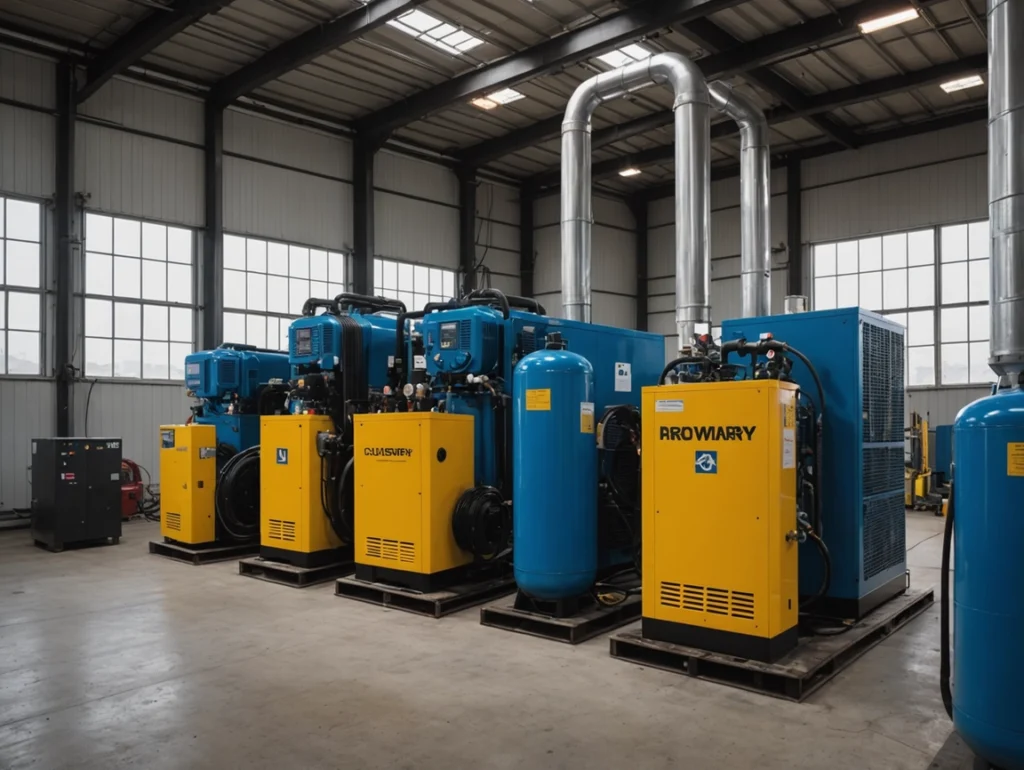
Refrigerated Air Compressor Dryer Technology
The most common type of Air Compressor dryer uses refrigeration technology. Think of it like an air conditioner for your compressed air system. Hot, wet air enters the dryer and passes through a heat exchanger.
A refrigeration system cools the air to around 35–40°F. At this temperature, water vapor condenses into liquid droplets. The dryer then separates and drains this liquid, sending dry air onward to your tools. This method works perfectly for most general industrial applications.
Desiccant Dryers for Lower Dew Points
For applications that require extremely dry air, a different approach works better. Desiccant dryers pass compressed air through a bed of moisture-absorbing material, similar to the silica gel packets you find in shoe boxes. These air dryer for compressor systems achieve dew points as low as -40°F, making them ideal for pharmaceutical manufacturing, electronics assembly, and outdoor winter operations.
Why You Need an Air Compressor Dryer for Your System
Installing an air compressor air dryer offers several concrete benefits for your operation.
Protect Your Tools and Equipment
Moisture ruins pneumatic tools from the inside. Water washes away lubricants, causes rust on internal components, and leads to premature failure. A single Air Compressor dryer can extend the life of your tools by years, saving you thousands in replacement costs.
Improve Product Quality
If you use compressed air for painting, coating, or food processing, moisture creates defects. Water droplets in paint lines cause fish eyes and adhesion problems. In laser cutting, moisture interferes with the beam and damages optics. An Air Compressor for Laser Cutting application demands dry air to achieve clean, precise cuts.
Prevent Pipe Corrosion
Water sitting in your compressed air pipes slowly eats away at metal. Over time, corrosion flakes off and travels downstream, clogging filters and damaging equipment. A dryer eliminates this problem by keeping your entire distribution system dry.
Different Types of Air Dryers for Compressed Air Systems
Choosing the right air dryer for air compressor depends on your specific needs and operating conditions.
Refrigerated Dryers
As mentioned earlier, refrigerated dryers work well for most industrial applications. They cost less to purchase and operate than desiccant units. They achieve pressure dew points of 35–50°F, which suits general manufacturing, auto repair, and woodworking. If your facility stays above freezing, a refrigerated unit likely meets your needs.
Desiccant Dryers
When you need extremely dry air, choose a desiccant air dryer for compressor. These units achieve dew points as low as -100°F, removing nearly all moisture from the air stream. They cost more to buy and operate because they require periodic regeneration of the desiccant material. However, for critical applications like pharmaceutical production or instrument air, they provide the only acceptable solution.
Membrane Dryers
Membrane dryers offer a compact, maintenance-free alternative for low-flow applications. These units use specialized membranes that allow water vapor to pass through while retaining dry air. They work well for point-of-use drying at specific machines or for small laboratories.
Integrated Solutions: The 4 in 1 Air Compressor
For facilities with limited space, manufacturers offer combined units. A 4 in 1 air compressor integrates the compressor, air dryer, air receiver tank, and filters into a single footprint. These all-in-one solutions simplify installation and reduce piping requirements. They work especially well for small workshops, dental offices, and laboratories where space comes at a premium.
Signs You Need an Air Compressor Dryer
How do you know if your system requires drying? Look for these warning signs:
- Water spits from air tools or spray guns
- Rust forms inside your air receiver tank
- Pneumatic tools fail more frequently than expected
- Paint defects appear in finishing operations
- Ice forms in outdoor air lines during winter
- Filters clog more often than the manufacturer recommends
If you notice any of these symptoms, adding an air compressor air dryer to your system will solve the underlying moisture problem.
Sizing an Air Dryer for Your Compressor
Proper sizing ensures your dryer performs effectively without wasting energy.
Match Flow Capacity
Your dryer must handle the full output of your compressor. If your compressor delivers 100 CFM, choose a dryer rated for at least 100 CFM. Undersizing causes pressure drops and inadequate drying. Oversizing wastes money on unnecessary capacity.
Consider Inlet Temperature
The temperature of compressed air entering your dryer affects performance. Higher inlet temperatures reduce drying efficiency. Most refrigerated dryers expect inlet temperatures below 100–120°F. If your compressor runs hot, you may need an aftercooler before the dryer.
Account for Ambient Conditions
Your operating environment also matters. Refrigerated dryers work well indoors at room temperature. If you place your dryer in an unheated space, a desiccant unit performs better because refrigerated types lose efficiency in cold conditions.
Maintaining Your Air Compressor Dryer
Like any equipment, your dryer needs regular attention to perform reliably.
For refrigerated dryers:
- Clean the condenser coil every three months
- Check and clean automatic drains monthly
- Inspect refrigerant levels annually
- Replace filters according to schedule
For desiccant dryers:
- Monitor dew point readings daily
- Replace desiccant when performance declines
- Check heater and regeneration components
- Inspect valves for proper cycling
Common Mistakes to Avoid
When adding an Air Compressor dryer to your system, avoid these pitfalls:
Installing the dryer too far from the compressor: Air cools as it travels, and moisture condenses before reaching the dryer. Place your dryer as close to the compressor outlet as possible.
Skipping prefiltration: Oil and dirt contaminate desiccant materials and reduce refrigerated dryer efficiency. Install appropriate filters before the dryer.
Ignoring drains: Automatic drains fail over time. Check them regularly and keep spares on hand.
Using undersized piping: Restrictive piping causes pressure drops that reduce dryer performance. Size pipes for minimal resistance.
Conclusion
An Air Compressor dryer removes moisture from your compressed air system, protecting tools, improving product quality, and preventing pipe corrosion.
Whether you choose a refrigerated unit for general use or a desiccant dryer for critical applications, proper sizing and maintenance ensure reliable performance. For specialized applications like an Air Compressor for Laser Cutting, dry air is not optional—it is essential for achieving clean, precise results.
Integrated solutions like a 4 in 1 air compressor combine drying with compression and storage in a compact footprint. Whatever your needs, selecting the right air dryer for air compressor keeps your system running efficiently and your tools working properly. Remember that an air dryer for compressor is not an accessory—it is a necessary component for any professional compressed air system.
Our Facebook:https://www.facebook.com/rlaircompressor