
Construction sites demand equipment that works hard, tolerates abuse, and keeps running through dust, heat, and constant movement. Piston Air Compressors meet these demands with a simplicity and ruggedness that few other technologies can match. Their reciprocating pistons generate reliable compressed air for tools ranging from framing nailers to sandblasting equipment. They cost less upfront than rotary screw alternatives, and they handle the intermittent duty cycles that construction work demands.
In this guide, we will explore the specific applications where piston technology proves its worth on construction sites.
Why Piston Technology Suits Construction Work
Before diving into specific uses, let us understand why reciprocating designs fit construction so well. Construction work rarely involves continuous, steady air demand. Instead, crews use tools in bursts—framing a wall, then moving to another task, then returning to the nail gun. This start-stop pattern matches the duty cycle of piston units perfectly. They run when needed and rest when not, without suffering the thermal stress that continuous operation would cause.
Furthermore, construction sites often lack the clean, stable power that sensitive rotary screw units require. Piston compressors tolerate voltage fluctuations, dusty air, and rough handling. Their simpler design means fewer components to fail and easier field repairs. These practical advantages explain why you see so many of these units on job sites.
Primary Applications of Piston Air Compressors on Construction Sites
Powering Framing and Finish Nailers
Framing crews rely on pneumatic nail guns for speed and consistency. A Piston Air Compressors unit with adequate CFM output powers multiple nailers simultaneously. The stored air in the receiver tank provides the burst of pressure needed to drive each nail fully. For residential framing, a unit delivering 5–10 CFM at 90 PSI typically suffices. Finish work demands less volume but requires clean, dry air to avoid staining wood surfaces.
Operating Sandblasting Equipment
Surface preparation before painting or coating demands serious air power. An Air compressor for sandblasting must deliver high CFM at consistent pressure to propel abrasive media through the nozzle. Piston units handle this task well when properly sized. A typical sandblasting setup requires 100–150 CFM at 90–125 PSI, depending on nozzle size and media type. Larger projects may require multiple units or a larger industrial model.
Driving Concrete Breakers and Demolition Tools
Demolition work generates some of the most demanding air requirements on any site. Jackhammers, pavement breakers, and concrete saws all consume significant airflow. Piston compressors designed for heavy-duty use deliver the volume and pressure these tools need. Their robust construction withstands the vibration and shock that demolition work creates. For extended demolition projects, consider a unit with a larger tank to buffer demand spikes.
Supplying Air for Concrete Finishing
Concrete crews use compressed air for several tasks. Air-powered vibrators consolidate concrete in forms, removing air pockets and improving strength. Air blow-off cleans forms and equipment before pours. Surface preparation before sealing or coating relies on compressed air to remove dust and debris. Piston units provide reliable service for these intermittent demands.
Supporting Painting and Coating Operations
Construction painting—both interior and exterior—requires clean, dry compressed air. Moisture or oil in the air ruins finishes and causes adhesion problems. An Oil-free piston air compressor eliminates oil contamination risks, making it suitable for sensitive coating applications. Pair the unit with proper filtration and drying to ensure the air meets the paint manufacturer’s specifications.
Compact Solutions for Smaller Jobs
Not every construction task requires a large compressor. Smaller units serve specific needs efficiently.
The 1.5kw Piston Air Compressor
A 1.5kw Piston Air Compressor provides a compact, portable solution for light-duty tasks. These small units typically deliver 4–6 CFM at 115 PSI, enough for a single nail gun, stapler, or airbrush. Their lightweight design allows one person to move them between work areas. Electric operation means no fuel costs or exhaust fumes in enclosed spaces. For renovation work, trim carpentry, or small repair jobs, this size class offers practical performance without excess capacity.
Portable Configurations
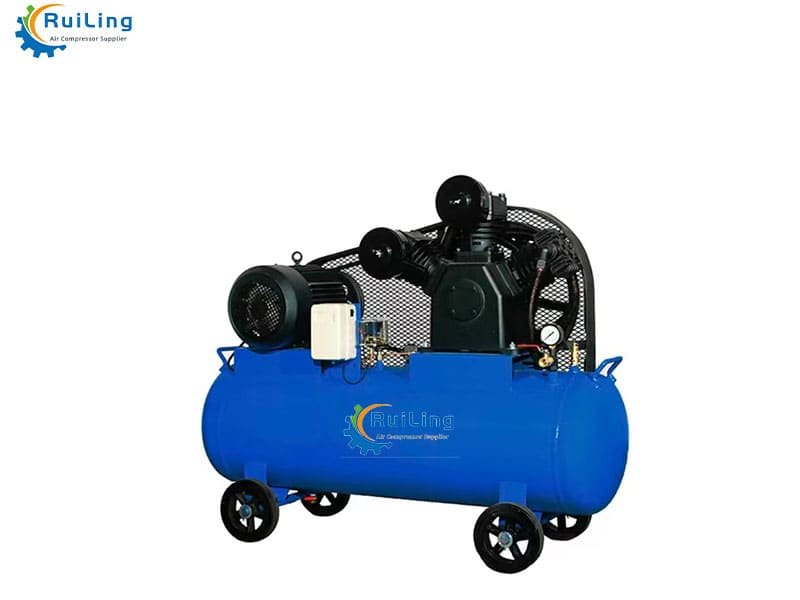
Construction work moves constantly. Portable units with wheels, handles, and compact footprints allow crews to bring air power directly to the workface. Some models fit in the back of a pickup truck or van, making them ideal for contractors who service multiple sites daily.
Integrating Piston Compressors into Your Site Setup
A compressor does not work alone. It functions as part of a complete air system that includes storage, filtration, and distribution.
The Role of the 4-in-1 Air Compressor
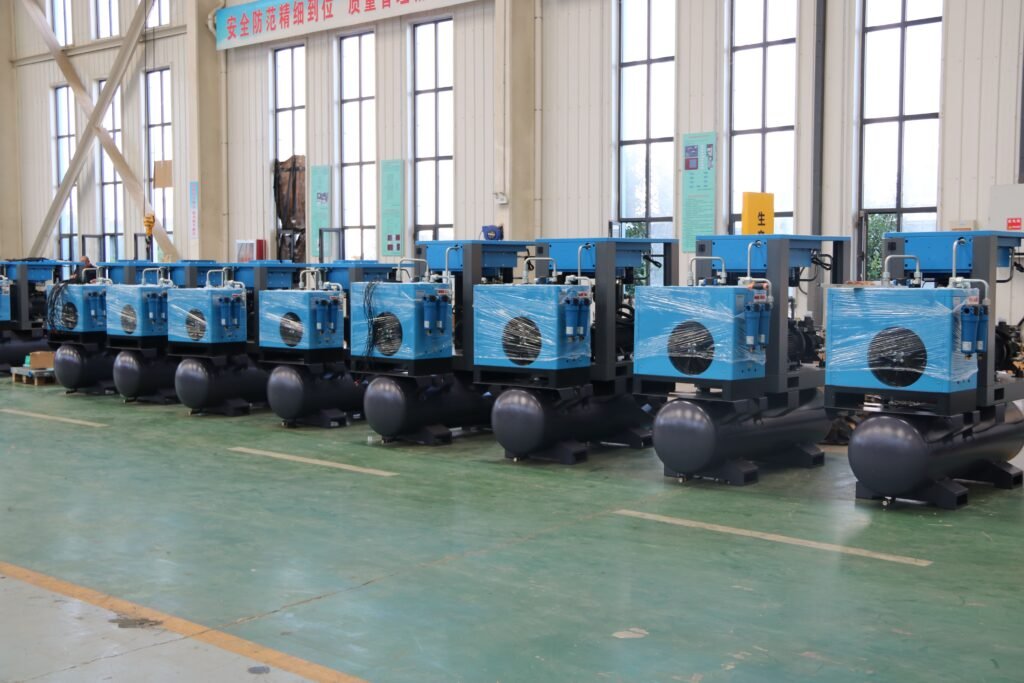
A 4-in-1 air compressor combines the compressor, receiver tank, dryer, and filters into a single integrated package. This configuration simplifies setup on job sites where space is limited and installation time matters. The integrated design ensures all components work together optimally, delivering clean, dry air without the complexity of separate components. For contractors who need reliable performance without extensive setup, an all-in-one solution offers practical advantages.
Distribution and Storage
Proper distribution ensures that air reaches tools at adequate pressure. Use appropriately sized hoses and fittings to minimize pressure drop. Keep hoses in good condition—leaks waste air and reduce performance. A larger receiver tank provides more buffer for peak demands, reducing compressor cycling and extending motor life.
Selection Considerations for Construction Applications
Choosing the right unit requires matching capacity to your specific needs.
Calculate Your Air Demand
List the tools you plan to run and their CFM requirements. Add the CFM for tools that operate simultaneously. Include a 20–30% buffer for future needs and system losses. This total determines the minimum compressor capacity you require.
Match Pressure to Your Tools
Most construction tools operate at 90–100 PSI. Verify that your chosen unit delivers adequate pressure at the required flow rate. Some specialized equipment, like certain sandblasting setups, may require higher pressures.
Consider Portability and Power
Evaluate how often you move the compressor and what power sources are available. Electric units suit indoor work and sites with reliable power. Gasoline or diesel units provide independence for remote locations. Weight and dimensions matter if one person must move the unit regularly.
Evaluate Air Quality Needs
Determine whether your applications require oil-free air. Painting, coating, and some finish work demand clean, dry air. General demolition and framing tolerate trace oil. An Oil-free piston air compressor eliminates contamination risks for sensitive tasks.
Review Industrial Air Compressors Options
For larger projects or multi-crew operations, consider industrial air compressors designed for heavy-duty use. These units offer higher capacity, more robust construction, and longer service intervals than light-duty models. While they cost more upfront, their durability and reliability justify the investment on demanding sites.
Maintenance for Job Site Reliability
Construction environments stress equipment. Regular maintenance keeps your compressor running.
Daily checks:
- Inspect for oil leaks and damaged hoses
- Check oil level in lubricated models
- Drain condensate from the tank
- Listen for unusual noises
Weekly tasks:
- Clean or replace air intake filters
- Check belt tension and condition
- Inspect fittings and connections for leaks
- Test safety relief valve
Long-term care:
- Change oil at recommended intervals
- Replace worn belts and hoses promptly
- Keep the unit clean and protected from weather
- Store properly during off-season
Conclusion
Piston Air Compressors serve essential roles across construction applications. They power framing nailers, drive sandblasting equipment, operate demolition tools, support concrete finishing, and supply air for painting operations. Their tolerance for intermittent duty, rugged construction, and lower initial cost make them ideal for job site conditions.
Whether you need a compact 1.5kw Piston Air Compressor for light tasks, an Air compressor for sandblasting for surface preparation, or a larger industrial air compressors unit for heavy demolition, piston technology delivers reliable performance. Consider an integrated 4-in-1 air compressor for simplified setup, and choose an Oil-free piston air compressor when contamination risks matter. With proper selection and maintenance, your piston compressor will provide dependable service through every phase of construction.