
A well-maintained screw Air Compressors system delivers years of reliable service. Skip the maintenance, and you face unexpected breakdowns, costly repairs, and production delays. This guide walks you through the essential maintenance tasks that keep your equipment running efficiently. Follow these practices, and you protect your investment while minimizing downtime.
Why Maintenance Matters for Your Equipment
Screw Air Compressors operate in demanding conditions, running for hours at a time while compressing air and generating heat. Regular maintenance addresses wear before it becomes failure. Clean oil lubricates moving parts. Fresh filters prevent contaminants from entering the system. Proper cooling ensures components stay within safe operating temperatures. A consistent maintenance program saves money by extending equipment life and reducing emergency repairs.
Daily Maintenance Tasks for Screw Air Compressors
These quick checks take only a few minutes each day but prevent major issues.
Visual Inspection
Walk around your unit and look for obvious issues. Check for oil leaks around seals, hoses, and the separator. Listen for unusual noises like knocking, rattling, or excessive vibration. These sounds often signal loose components or bearing wear. Address small leaks immediately before they escalate.
Check Fluid Levels
Verify oil levels while the compressor runs or immediately after shutdown. Low oil levels indicate possible leaks or excessive consumption. Top up with the manufacturer-recommended oil grade. Mixing different oil types damages seals and reduces lubrication effectiveness.
Monitor Operating Parameters
Check the controller display for temperature, pressure, and runtime readings. Note any deviations from normal ranges. Rising temperatures often indicate clogged coolers or low oil levels. Fluctuating pressure may signal filter restrictions or air leaks downstream.
Drain Condensate
Moisture accumulates in receiver tanks and separators. Drain this condensate daily to prevent rust and corrosion. If your system uses automatic drains, verify they cycle properly and are not clogged.
Weekly and Monthly Maintenance Tasks
Inspect and Clean Coolers
Air-cooled units require clean cooler fins to dissipate heat effectively. Dust, dirt, and debris accumulate over time, reducing cooling capacity. Blow compressed air through the cooler fins from the inside out to remove buildup. For liquid-cooled units, check coolant levels and inspect hoses for leaks.
Check Belt Tension
If your screw Air Compressors uses belt drive, inspect belts for wear and proper tension. Loose belts slip, reducing efficiency and generating heat. Tight belts strain bearings. Replace worn belts promptly and maintain tension according to manufacturer specifications.
Test Safety Devices
Verify that pressure relief valves, thermal switches, and emergency stops function correctly. These safety components protect your equipment and personnel. A stuck relief valve creates a dangerous condition if pressure exceeds design limits.
Routine Service Intervals for Screw Air Compressors
Oil Changes
Oil serves three critical functions: lubrication, cooling, and sealing. Over time, oil degrades from heat and contamination. Change oil at intervals specified by the manufacturer, typically every 2,000 to 8,000 hours depending on oil type and operating conditions. Use only the recommended oil grade—substitutes damage components and void warranties.
Air Filter Replacement
The air intake filter prevents dust and debris from entering the compressor. A clogged filter restricts airflow, reducing efficiency and forcing the unit to work harder. Replace air filters according to schedule or more frequently in dusty environments. Clean filters protect internal components and maintain peak performance.
Separator Element Replacement
The separator element removes oil from the compressed air stream before it exits the unit. A worn separator allows oil carryover, wasting fluid and contaminating downstream equipment. Replace separators at recommended intervals, typically coinciding with oil changes.
Oil Filter Replacement
Oil filters remove contaminants from lubricating oil. A clogged oil filter restricts flow, starving the compressor of lubrication. Replace oil filters with every oil change to ensure clean oil circulates through the system.
Special Considerations for Different Compressor Types
Maintaining Heavy-Duty Air Compressors
Heavy-duty air compressors operate in demanding environments like foundries, mines, and metal fabrication shops. These conditions accelerate wear and require more frequent attention.
Additional steps:
- Inspect air filters daily in dusty environments
- Clean coolers more frequently to prevent overheating
- Check for vibration and alignment issues regularly
- Maintain detailed service records to track wear patterns
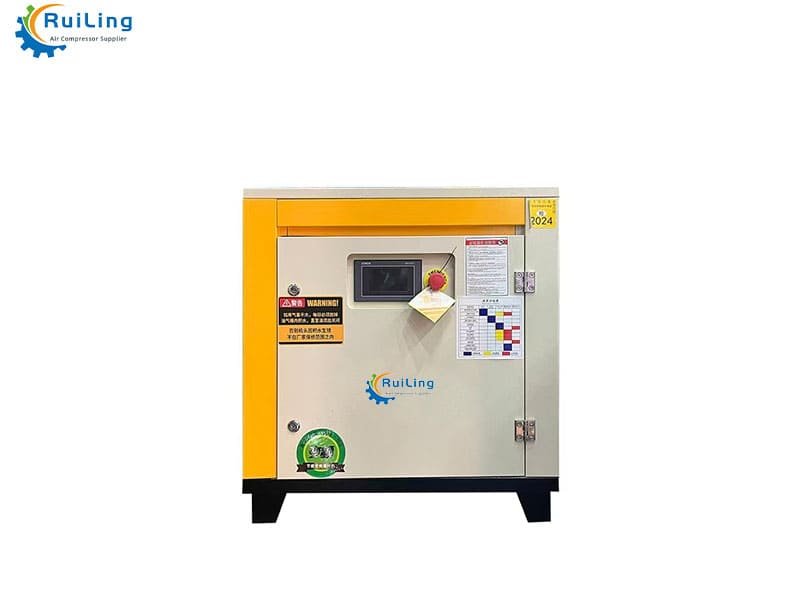
Caring for Small Screw Air Compressor Units
A small screw air compressor often serves as a dedicated unit for specific applications or smaller workshops. While smaller in scale, these units require the same maintenance principles. Pay attention to:
- Adequate ventilation around compact units
- Regular filter changes despite lower runtime
- Proper oil levels—small units have smaller reservoirs
- Clean power connections and electrical components
Extending Service Life Through Proper Operation
Avoid Short Cycling
Frequent starts and stops wear on motors, drives, and electrical components. If your unit cycles excessively, investigate the cause. Air leaks, undersized receiver tanks, or improperly set pressure bands all contribute to short cycling. Address these issues to reduce wear.
Maintain Proper Operating Environment
Your screw Air Compressors performs best in clean, well-ventilated spaces. Keep the compressor room free of dust and debris. Ensure intake air stays cool—every 10°F increase in intake temperature reduces compressor efficiency by approximately 2%. Exhaust hot air outside during summer months.
Log Operating Hours and Service Records
Maintain a log of runtime hours and completed maintenance. This record helps you anticipate service needs and identify patterns. It also documents proper maintenance for warranty claims and provides valuable data when evaluating equipment performance.
When to Call a Professional
Some maintenance tasks require trained technicians. Schedule professional service for:
- Annual inspections and performance testing
- Bearing replacement or air end overhauls
- Electrical system diagnostics
- Control system calibration
- Any repair beyond routine consumable replacement
Working with a trusted Rotary Screw Air Compressors for sale provider ensures you receive genuine parts and qualified service. A reliable supplier offers maintenance contracts that keep your equipment running while you focus on your core business.
Choosing Quality Replacement Parts
When servicing Industrial Rotary screw Air Compressor units, use genuine or high-quality equivalent parts. Substandard filters, oils, and separators compromise performance and may damage components. Your supplier can recommend appropriate parts for your specific model and operating conditions.
Conclusion
A consistent maintenance program keeps your screw Air Compressors running efficiently and reliably. Daily visual inspections and fluid checks catch small issues before they escalate. Routine oil, filter, and separator changes at recommended intervals protect internal components. Proper operation and environmental conditions extend service life.
Whether you operate heavy-duty air compressors in demanding industrial settings or a small screw air compressor in a workshop, these maintenance principles apply. Partner with a reputable supplier offering Rotary Screw Air Compressors for sale and professional service support. With proper care, your equipment delivers years of reliable Compressed Air for your operations.
Our Facebook:https://www.facebook.com/rlaircompressor